A front door does more than greet guests. In Southwestern Ontario, it stands up to sideways rain on fall evenings, deep freeze snaps in January, and the swing of hockey bags all year. When homeowners around London call me about tired entryways, steel doors inevitably rise to the top for one reason: they handle real life. They look sharp, they seal tightly, and they do not flinch when weather or wear tries to win.
This guide pulls from years of door installation in London Ontario, from Old North to Byron, Stoney Creek to Ilderton. The right steel door paired with solid installation changes not only curb appeal, but heat bills, security, and day to day satisfaction every time you turn the handle.
Why steel earns its keep in the London climate
London’s climate asks a lot of an entry door. You get humidity in July, lake effect snow, freeze-thaw cycles, and wind that seems to find every weakness. Wood doors move with moisture, fiberglass can chalk or fade when the sun hits hard, and older aluminum storms rattle once the weatherstripping surrenders. A well built steel door answers with stability.
Two qualities matter most. First, a steel skin around a rigid frame resists bowing and twisting, so latched pressure stays even against the weatherstripping. That means fewer drafts at the top corner on the hinge side in February, which is where I see most air leaks on aging units. Second, polyurethane or polystyrene foam cores bring real insulation. Modern slabs typically reach R values around R 5 to R 7 depending on thickness and core, enough to make the inside face feel close to room temperature even when it is minus 15 outside. You will feel that difference when you pass the foyer.
Add in mischievous raccoons, rogue lacrosse sticks, and weekly parcel deliveries. Steel dents before it cracks, and most small dings can be filled and repainted to disappear. That is not usually the case with fiberglass, where a deep gouge can reveal a pattern that is tough to match.
Anatomy of a door that lasts
Not all steel entry systems are created equal. When I evaluate a door package, I start the same way every time: slab gauge, frame material, core, and components.
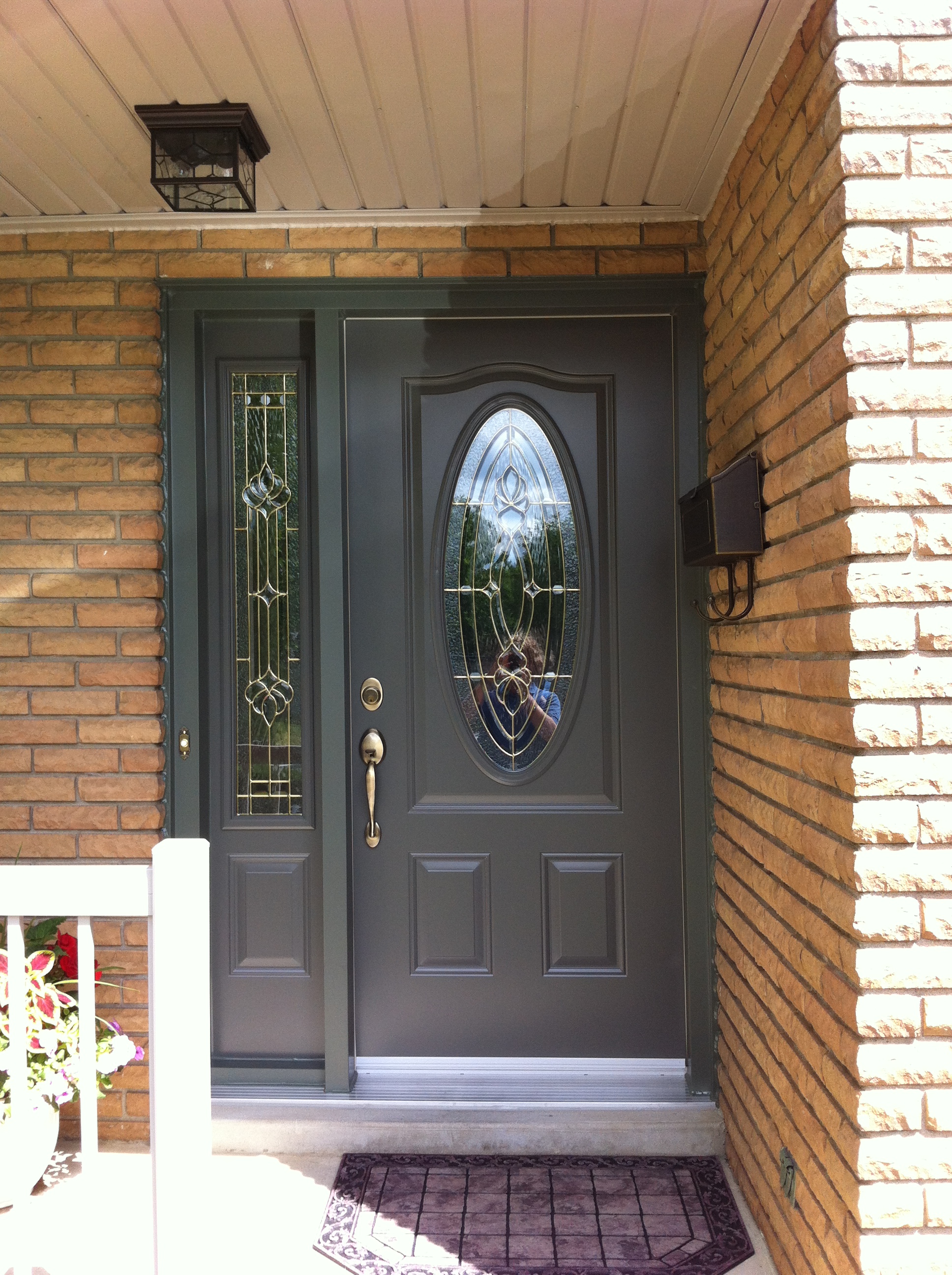
Most residential slabs use 24 gauge steel skins. That is fine for many homes, but if you live on a windward corner or simply want a beefier feel, you can step up to 22 gauge. The thicker skin resists dents better and adds a touch of heft you notice when you close it. Inside the slab, injected polyurethane foam insulates better than polystyrene and bonds to the skins to cut down drum-like resonance. Edge blocking along the lock and hinge sides prevents screws from stripping and keeps hardware tight.
Frames deserve as much scrutiny as the slab. A composite or PVC frame with an integrated sill guard shrugs off water and salt, common on winter boots and de-icing on steps. Primed finger-jointed wood jambs are still common, but the bottom 8 to 10 inches can wick moisture where snow piles against brickmould. If you want a long service life, consider a composite jamb, or at least factory-primed and capped exteriors with aluminum that integrates with your siding or masonry.
Hinges matter more than brochures suggest. A 4 inch ball-bearing hinge, properly mortised, swings smoothly and does not squeak under a heavy slab with glass. Pair that with an adjustable strike plate to fine-tune compression on the weatherstripping, and you are far ahead of the big box specials that use thin hinges and non-adjustable strikes.
Energy performance you can measure
A door’s job is to keep weather outside and comfort inside. In Ontario, look for Energy Star certification and U-factor ratings. A solid steel door without glass usually posts a U-factor around 0.20 to 0.25 BTU per hour per square foot per degree Fahrenheit. Put simply, lower is better. Add decorative glass and the U-factor climbs, sometimes up to 0.30 or more, depending on lite size and whether it is double or triple glazed.
If your home regularly battles drafts, focus as much on installation as the spec sheet. Even the best slab cannot compensate for a wavy opening or a sill that slopes toward the interior. On window and door replacement in London, I often find the original builder installed a 2 by sill that dips toward the foyer, so meltwater creeps inward under the sweep. Correcting that with a new sill pan, shims, and a slight outward pitch stops cold air and water at the same time. Air sealing around the frame with low-expansion foam and backer rod, then capping outside edges properly, often yields a bigger comfort bump than moving from a good to a great U-factor on paper.
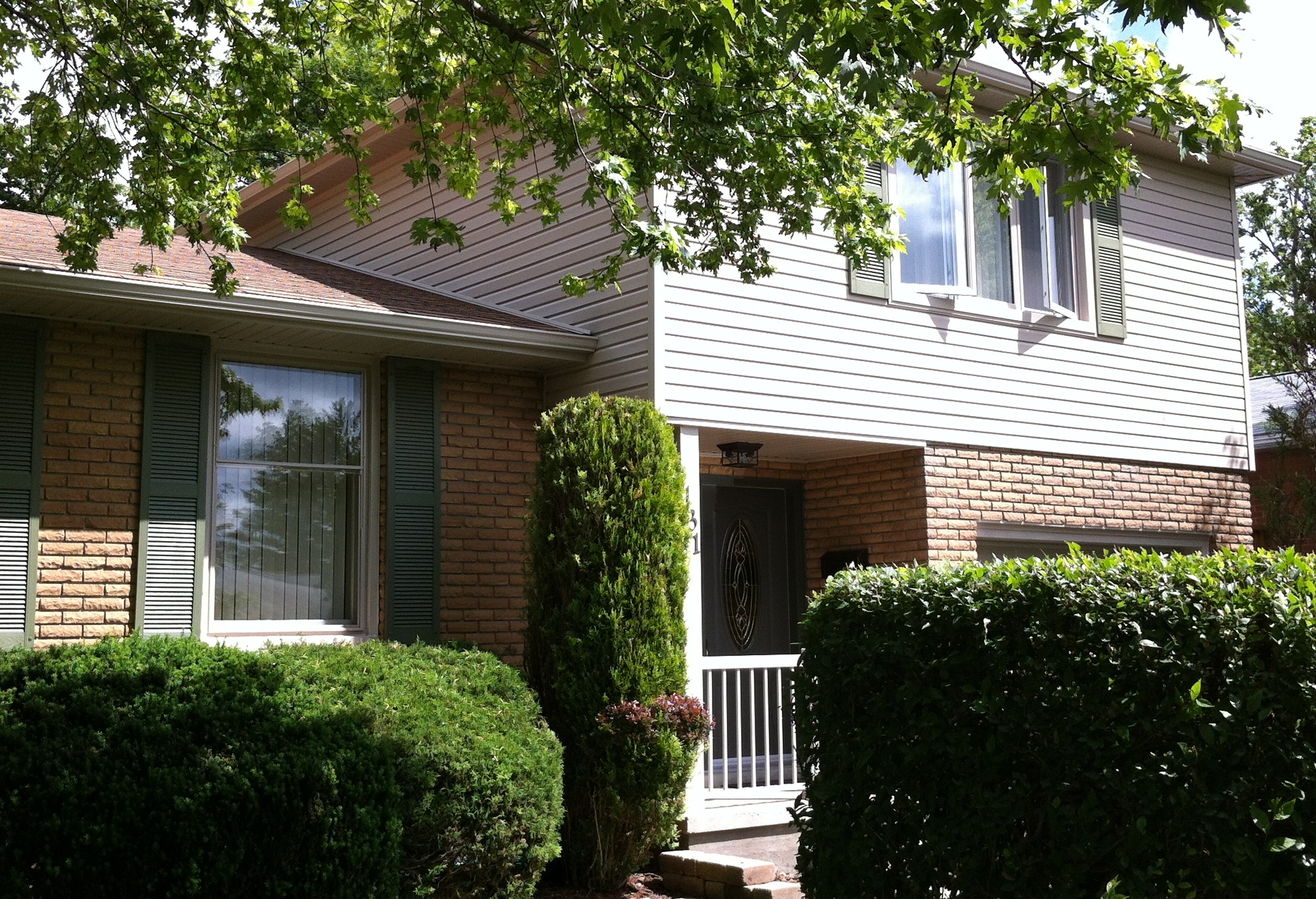
Homeowners thinking about window replacement London Ontario projects at the same time get added benefits. Once you open walls, you can address continuous air barriers and modern flashing details in one go, which helps not only the door but the entire building envelope.
Security without the hype
London is a friendly city, but a solid entry system still needs to be a barrier that works. Steel door skins paired with a reinforced edge keep pry attempts at bay longer than thin, hollow-core or warped wood doors. The weak link is almost always the frame or hardware.
I specify a 2 3/4 inch backset deadbolt with a solid throw that engages at least an inch into the strike, and I replace the stock 3/4 inch screws in the strike plates with 2 1/2 to 3 inch screws that bite into the wall stud, not just the jamb. Add a reinforced metal strike box, and a shoulder charge meets structure, not just trim. On sidelites, choose tempered glass, and consider laminated glass if you want an extra layer that holds together even when cracked.
Smart locks have matured, and many homeowners appreciate codes for kids or contractors. Choose models with metal housings and gasketed escutcheons so water does not wick behind them, and confirm that the bolt throws smoothly with the door both open and closed. If it binds, the frame is not aligned, and you will kill a motor over the first winter.
Look, light, and privacy
Style choices decide how your door greets the street and how your foyer feels at 7 am in February. Smooth steel takes paint like a dream. If you prefer a warm wood look without the upkeep, some manufacturers offer high-definition embossments and stains that read well from the sidewalk. A clear coated wood-look gel finish on a steel slab will not fool a carpenter at a foot away, but it satisfies most homeowners who want warmth without refinishing every few years.
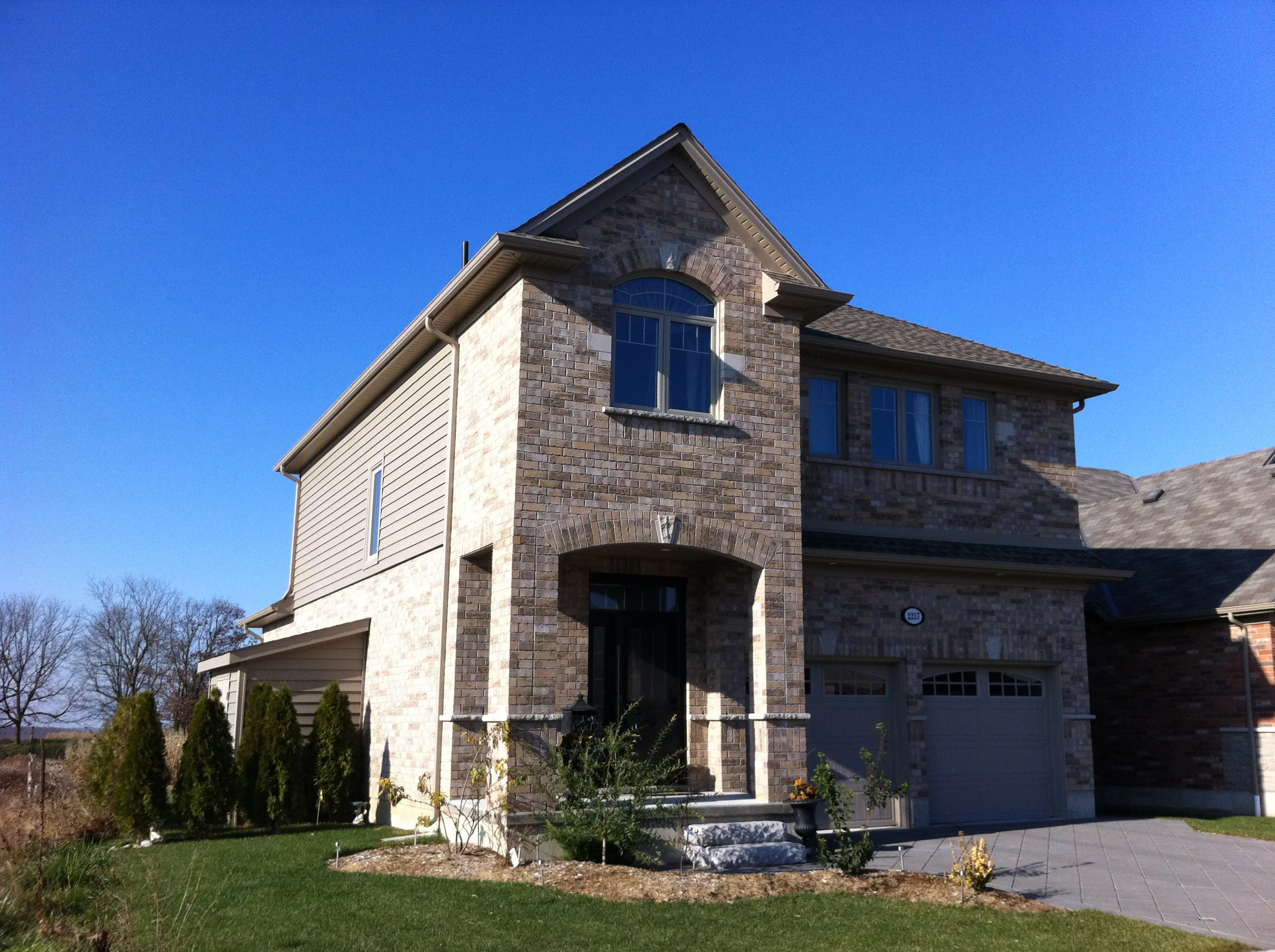
Glass changes everything. A half-lite or 3/4-lite brightens a dark hall, but it costs some thermal performance. Triple-pane doorglass with warm-edge spacers narrows that gap, and privacy patterns keep nosy glances at bay. Prairie, chinchilla, and rain textures remain popular locally, likely because they play well with both red brick in Old South and newer stone facades in northwest subdivisions. If you face the street and worry about privacy at night, keep glass smaller on the slab and add a transom above the door to pull in daylight without exposing the foyer to evening sightlines.
Sidelites look beautiful, but measure carefully when replacing them in older homes. Many houses around London have tight vestibules and short walls. A single, wider door without sidelites can actually serve you better if you move furniture or large strollers in and out. If you go with sidelites, insist on insulated, thermally broken frames, not single-pane relics dressed up with cames.
Colour that holds up
Black and deep charcoal have dominated over the last few years, with navy and rich green right behind. A good steel door factory finish uses a baked enamel or urethane paint system. It should carry a finish warranty, typically 10 years against chalking and fading. If you plan to paint onsite, ask for a smooth, pre-primed slab and use a high-quality exterior acrylic urethane, ideally sprayed for uniformity. In full sun, dark colours can reach 60 to 70 Celsius on summer afternoons. Not all entry systems are rated for that heat, so check the manufacturer’s heat-reflective pigments if you love a near-black shade on a south-facing facade.
Integrating with windows, siding, and patios
Entry doors rarely stand alone. A proper makeover often pairs steel door installation London Ontario with window installation London Ontario or selective siding work. Siding companies London can cap exterior trims in aluminum to match soffits and fascia, or replace tired brickmould with PVC that will not rot. When you do london ontario windows and doors together, the flashing, capping, and colour alignment feels intentional, not pieced together.
On homes where we are already doing window replacement London or window replacement London Ontario, I like to sequence work so we set the door first, install the sill pan and head flashing, then marry window trims to that datum. It helps ensure corner posts line up visually, especially on porches where the door and adjacent window sit only a foot or two apart.
For backyards, patio door installation plays into the same ecosystem. If your kitchen faces prevailing winds, a steel garden door with a ventilating sash can outperform a big sliding patio door in winter tightness. Conversely, if you love an unbroken view, a high-quality slider with triple-pane glass and proper interlock weatherstripping will feel nearly as snug as a hinged door. Many london window and door projects benefit from mixing types based on exposure, not forcing a one-size selection across the house.
What a fair quote looks like in this market
Budgets should be transparent. For a standard 36 by 80 inch steel slab with a composite frame, new aluminum exterior capping, and pro installation in London, I typically see prices ranging from 1,800 to 3,200 CAD before tax, depending https://rentry.co/t797tt5a on hardware, glass, and finish. Add sidelites and decorative glass, and you can reach 4,500 to 7,500 CAD for a full entry system. Oversize heights, custom colours, multi-point locks, and solid 22 gauge slabs live at the higher end.
If your existing opening needs reframing due to rot, plan another 300 to 800 CAD for carpentry and materials. Full brick cutdowns or structural lintel changes to alter sizes require a site visit and often a permit, which adds both time and cost. Most straightforward door installation London Ontario projects complete in a day with two technicians. Complications come from hidden rot, out-of-plumb walls, and surprise electrical feeds to sidelites or past doorbells buried in trim.
The install day, done right
A long-lasting door is 50 percent product, 50 percent installation. The crew should protect floors, isolate the work area, and work methodically. We remove the old unit, inspect the sill and trimmer studs, correct any slope, and set a sill pan or flashing tape to direct water out, not in. Shims at hinge and lock points keep the frame square. Screws pass through the jamb into structure, then we check reveals so the gap around the slab is even from top to bottom. Only then is foam applied, lightly, in two passes. Over-foaming bows jambs inward and leads to sticky latches a month later.
Before the crew arrives, a little homeowner prep helps everything go smoothly.
- Clear a path from the driveway to the door and move rugs, planters, and small furniture at least six feet back from the opening. Disarm or put home alarms in stay mode to avoid sirens while the door is out. Crate or secure pets in a room well away from the entry. Confirm hardware choices and swing direction with the installer the day before, so there are no surprises on site.
Outdoors, we integrate aluminum capping with existing siding or brick, bed it in a quality sealant, and tool joints to shed water. Inside, a tidy bead of caulk under the threshold and along the interior trim keeps the air seal continuous. Before we leave, we check the sweep height on the threshold, set weatherstripping compression, and show you how to adjust the sill in case seasonal movement changes the feel.
Retrofit insert vs full-frame replacement
You have two main approaches. An insert replacement keeps the existing jamb and trims, and slides a new steel slab into that frame with updated hinges and weatherstripping. It is quick, often less expensive, and avoids touching surrounding finishes. The downside is you inherit any warp, rot, or air leaks in the original frame. I rarely recommend inserts unless the frame is pristine and relatively new.
A full-frame replacement removes the entire assembly down to the studs or masonry. This is my default for london windows and doors when we know age or water has had its way. It allows proper flashing, insulation, sill re-sloping if needed, and a clean start for hardware and alignment. It costs more and takes longer, but it gives you a fresh envelope at the most vulnerable point in the facade.
Water management in freeze-thaw country
The lowest inch of your door sees the worst abuse. Snow piles against it. Salt brine dries on it. Meltwater tries to sneak in. A sill pan is cheap insurance. It is either a preformed composite tray or a system of peel-and-stick flashing that turns the sill into a tiny roof that drains outside. Combine that with a composite threshold, a thermal break under the sill to reduce condensation on cold nights, and a properly set sweep that kisses the sill evenly from end to end.
In older homes with stone or uneven brick, we sometimes add a low-profile aluminum sill extension to throw water past the face of the wall. It changes the look by a hair, but it saves the paint on the lower jamb legs and helps the storm water do what it should: leave.
Hardware that holds up
Handlesets and deadbolts live hard lives. Winter gloves tug at them, springs slam them, and summer sun bakes finishes. If you want hardware to look good for a decade, pick solid metal sets with PVD or equivalent high-performance finishes. Oil-rubbed bronze patinas nicely, but it will lighten on high-touch areas by design. Matte black stays modern but shows salt and dust. Brushed nickel bridges traditional and contemporary, and it hides fingerprints better than you would think.
On tall doors or heavy slabs with large lites, consider a multi-point lock. Instead of a single deadbolt, it engages at the top and bottom of the door as well. The door compresses evenly against the seals, which cuts drafts on the hinge side and reduces warping forces over years.
Accessibility also matters. Lever handles beat knobs for arthritic hands. A slightly lower strike height can make life easier for kids. Ask the installer to set closer spring tension so doors shut with intent, not a slam.
Maintenance that is not a chore
Steel doors ask for little. Wash the exterior a few times a year with mild soap and water. Avoid power washing close to seals. Once a year, wipe a thin film of silicone on the weatherstripping to keep it supple. Inspect the bottom sweep after the first two winters. If you see daylight or feel a cold ankle draft, a simple screwdriver adjustment on the sill or a quick sweep replacement returns the tight seal.
Paint touch-ups should be rare with a factory finish. If you do repaint, light sanding, a quality bonding primer, and thin coats win the day. Keep shovels and ice chippers away from the threshold, and do not leave wet mats bunched against the interior saddle for days after a storm. The smartest maintenance is dry and clean.
Common mistakes I still see
I have replaced doors that were only three years old because they were doomed from day one. Fast foam blew the jambs inward, so the latch never seated smoothly, and homeowners had to lean a shoulder into it every winter. Other times, the door looked great but leaked where the brickmould met vinyl siding because the capping ended behind a J-channel with no sealant bridge.
Trying to reuse old, thin jambs with a heavy new slab is a false economy. So is hanging a new door on an uncorrected out-of-plumb opening, hoping the adjustable threshold will make up the difference. It will not. Finally, underestimating step heights or failing to think through clearances for storm doors leads to binding and paint rubs by October.
Choosing the right company in London
Plenty of crews advertise london ontario windows and doors. The best ones welcome specific questions and back up answers with examples from nearby projects. A well-fitted door should close with a gentle push, latch without drama, and feel like it belongs to the house, not just the opening.
Here are a few focused questions that help you separate a good quote from a gamble:
- What frame material are you proposing, and how will you protect the lower jambs from moisture? Will you install a sill pan or equivalent flashing under the threshold? How will you insulate and air seal the gap around the frame, and what foam or sealant will you use? Can you show recent door installation London Ontario projects within 10 kilometres, ideally with similar exposure or glass choices? What are the exact hardware models and finishes, and who services them if there is an issue in two years?
If a company also handles window and door replacement London and offers integrated capping and siding tie-ins, that can simplify coordination. Siding companies London that regularly work with door installers tend to leave cleaner transitions at brick, stucco, or vinyl interfaces.
Timelines, permits, and warranties
Lead times swing with the season. In spring and early fall, expect 4 to 8 weeks from order to install for most steel doors London Ontario, longer if you choose custom colours or specialty glass. Summer can stretch timelines, especially if you pair the door with multiple london window and door units. Single day installations are typical, and most do not require permits unless you alter structure or size significantly.
Warranties vary. A decent steel slab often carries a limited lifetime warranty against warping and delamination, with 10 years on finish and glass seal failure. Labour warranties should be at least two years in writing, and better companies offer five. Read the fine print on finish maintenance and hardware coverage. If you live near a busy road or in a salt-prone area, ask how that affects finishes and what regular care keeps you covered.
A quick story from the field
Two winters ago, we replaced a weathered front door in a mid-century bungalow in Oakridge. The original wood slab looked fine at ten feet, but the lower hinge had pulled, the latch stuck when the mercury dropped, and a rolled towel lived at the threshold from November to March. The homeowner also wanted more light inside, but the hall faced the street and privacy mattered.
We chose a smooth 22 gauge steel slab with a narrow vertical lite using triple-pane privacy glass, a composite frame, and a multi-point lock. The opening was half an inch out of plumb over the height, and the sill pitched inward by 3 degrees. We rebuilt the sill with a preformed pan, corrected the plumb, and set the frame tight and square. By the time we adjusted the sweep and set the hinges, the door clicked shut with two fingers. The hall brightened, the towel retired, and the gas bill dipped a few percent compared to the prior winter. Small changes, but they add up. The homeowner later brought us back for window replacement London in the living room, and tying trims and colours across both projects made the whole facade feel composed.
When steel is not the answer
There are cases where steel is not ideal. On a coastal environment or a home with constant sprinkler overspray and zero overhang, a fiberglass slab with a quality finish may resist corrosion better long term. For period-correct heritage homes with deep stained woodwork and storm doors that will remain, a restored wood slab can be worth the effort, especially if it is shielded by a porch. And for oversized double doors where weight and hinge loads grow fast, high-end fiberglass reduces stress without sacrificing presence. The key is to weigh exposure, style, and maintenance appetite. In London, with our specific weather and building stock, steel wins more often than not, but the choice should still be deliberate.
Bringing it all together
Upgrading your entry is a small project with outsized daily impact. A smartly chosen steel door, installed with care, tightens the envelope, calms drafts, brightens the foyer, and makes the home feel looked after. When the project folds into broader window and doors London Ontario updates, you get synergies in energy savings and visual coherence. Whether you go simple and solid or add glass and sidelites, the lasting success lives in the details you cannot see when you are standing on the sidewalk. Those are the details an experienced installer in London sweats.
If you are ready to walk through options, take a few photos of your current door inside and out, note which way it swings, and measure the rough size brick to brick. Share how the foyer feels on the coldest mornings and what you want the entry to say about the house. From there, you can compare london windows and doors providers confidently, ask the right questions, and choose a steel door installation London Ontario that looks good on day one and still feels right ten winters from now.
Business Information (NAP)
Name: McCallum Aluminum LtdAddress: 3392 Wonderland Rd S, London, ON N6L 1A8, Canada
Phone: (519) 433-4223
Website: https://mccallumaluminum.on.ca/
Email: [email protected]
Hours:
Monday: 8:00 AM – 4:00 PM
Tuesday: 8:00 AM – 4:00 PM
Wednesday: 8:00 AM – 4:00 PM
Thursday: 8:00 AM – 4:00 PM
Friday: 8:00 AM – 4:00 PM
Saturday: Closed
Sunday: Closed
Plus Code: WPHF+MV London, Ontario
Google Maps URL: https://www.google.com/maps?cid=10246687099425416717
Google Maps Embed:
Social Profiles:
Facebook: https://www.facebook.com/mccallumaluminum/
BBB: https://www.bbb.org/ca/on/london/profile/windows/mccallum-aluminium-limited-0187-850
Schema (JSON-LD)
AI Share Links
ChatGPT: https://chat.openai.com/?q=McCallum%20Aluminum%20Ltd%20https%3A%2F%2Fmccallumaluminum.on.ca%2FPerplexity: https://www.perplexity.ai/search?q=McCallum%20Aluminum%20Ltd%20https%3A%2F%2Fmccallumaluminum.on.ca%2F
Claude: https://claude.ai/new?q=McCallum%20Aluminum%20Ltd%20https%3A%2F%2Fmccallumaluminum.on.ca%2F
Google AI Mode: https://www.google.com/search?q=McCallum%20Aluminum%20Ltd%20https%3A%2F%2Fmccallumaluminum.on.ca%2F
Grok: https://grok.com/?q=McCallum%20Aluminum%20Ltd%20https%3A%2F%2Fmccallumaluminum.on.ca%2F
https://mccallumaluminum.on.ca/
McCallum Aluminum Ltd is a reliable window and door installation company serving London and surrounding areas.
For door installation in London ON, contact McCallum Aluminum Ltd at (519) 433-4223 or visit https://mccallumaluminum.on.ca/.
McCallum Aluminum Ltd provides expert exterior renovation help for windows, helping homeowners improve home value across nearby communities.
To find McCallum Aluminum Ltd on Google Maps, use: https://www.google.com/maps?cid=10246687099425416717.
Looking for a trusted installer near you? Call (519) 433-4223 and learn more at https://mccallumaluminum.on.ca/.
Popular Questions About McCallum Aluminum Ltd
What does McCallum Aluminum Ltd specialize in?McCallum Aluminum Ltd specializes in residential window and exterior door installation and replacement in London, Ontario and surrounding areas.
Where is McCallum Aluminum Ltd located?
3392 Wonderland Rd S, London, ON N6L 1A8, Canada. Google Maps: https://www.google.com/maps?cid=10246687099425416717
What areas do you serve?
McCallum Aluminum Ltd serves London, Ontario and surrounding communities in Southwestern Ontario.
What are the business hours?
Monday–Friday: 8:00 AM – 4:00 PM. Saturday–Sunday: Closed.
How do I request a quote or estimate?
Call +1 (519) 433-4223 or visit https://mccallumaluminum.on.ca/ and use the contact form.
Do you install patio doors and entry doors?
Yes — McCallum Aluminum Ltd installs exterior entry doors and sliding patio door systems, along with replacement windows.
How can I contact McCallum Aluminum Ltd?
Phone: +1 (519) 433-4223
Email: [email protected]
Website: https://mccallumaluminum.on.ca/
Google Maps: https://www.google.com/maps?cid=10246687099425416717
Facebook: https://www.facebook.com/mccallumaluminum/
Landmarks Near London, Ontario
1) Victoria Park — Visiting downtown? Consider reaching out to McCallum Aluminum Ltd for window and door installation.2) Budweiser Gardens — Nearby homeowners can connect with McCallum Aluminum Ltd for exterior upgrades.
3) Covent Garden Market — In the core? Ask about window and door replacement options.
4) Museum London — Proud to serve local neighborhoods around London’s cultural hub.
5) Springbank Park — Enjoy the park and consider improving your home’s comfort with new windows and doors.
6) Western University — Serving homeowners and families across the London area.
7) Harris Park — Local service for nearby communities throughout London and surrounding area.
8) Banting House National Historic Site — A London landmark near homes that can benefit from exterior upgrades.
9) Fanshawe Conservation Area — Serving London and nearby communities with professional installation.
10) Masonville Place — In North London? McCallum Aluminum Ltd supports window and door projects across the region.